Poland, Wrocław, 2026
Field Workshop on Black Earths, Wrocław, Poland, 2026
The Field Workshop was held jointly by the Soil Science Society of Poland and the Czech Soil Science Society on the Wrocław Plain (south-western Poland) from September 2 to 4, 2026. It focused on black earths (PL: czarne ziemie), which were designated as Soil of the Year 2026 in Poland. In Poland, this specific soil group is traditionally distinguished from similar chernozems by its excessive moisture, which confers unique environmental value and requires dedicated agricultural management.
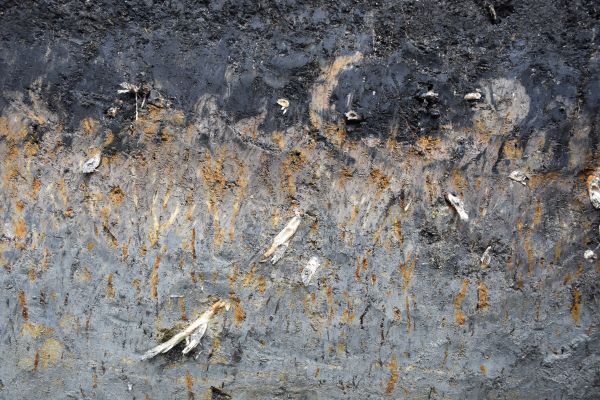
A key feature of black earths is a thick, humus-rich, and biologically active topsoil horizon (mollic/chernic), accompanied by gleyic or stagnic properties in the subsoil. Black earths can serve as fertile arable soils following drainage and continuous soil moisture control. However, excessive drainage may reduce their resilience to drought and lead to the degradation of organic matter and structure in topsoil layers. According to the WRB, black earths correlate with Gleyic/Stagnic Chernozems, Gleyic/Stagnic Phaeozems, and Mollic Gleysols. Soil Taxonomy places most black earths in Aquolls.
The field workshop demonstrated the variability of black earths in relation to landscape, parent materials, and human impacts (land use and drainage), providing a platform to discuss their genesis, transformation, and protection amidst rapid urbanization. Particular attention was paid to the applicability of the WRB classification (4th edition, 2022) in recognizing soil variation at the field scale and its sensitivity in identifying soil transformations under human pressure.